Have you ever looked at a Buddha symbol and instantly felt calm inside?
There’s something deeply comforting about it. Whether it’s a small Buddha statue in a home, a pendant around someone’s neck, or a peaceful meditation image online, the Buddha symbol carries an energy that feels timeless. For many people, it represents peace. For others, it symbolizes awakening, healing, balance, or protection during difficult times.
But the true Buddha symbol meaning goes much deeper than decoration or spirituality trends.
It reflects a journey — the human journey from suffering to peace, from confusion to clarity, and from fear to inner freedom.
In this guide, you’ll discover the spiritual meaning of the Buddha symbol, its emotional impact, cultural interpretations, dream symbolism, and what it may mean when you keep seeing it repeatedly in your life.
What Does Buddha Symbol Mean?
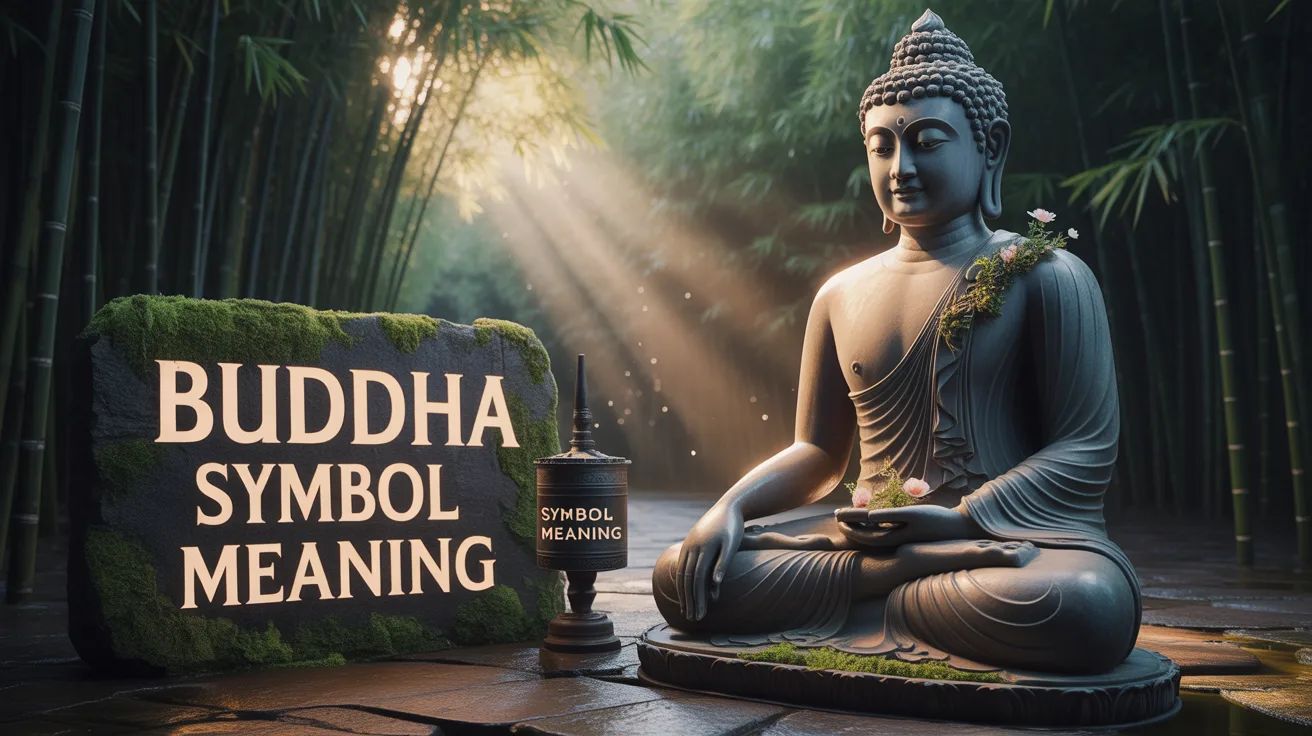
The Buddha symbol primarily represents:
- Enlightenment
- Inner peace
- Wisdom
- Compassion
- Spiritual awakening
- Freedom from suffering
The word “Buddha” means “The Awakened One.” It refers to Siddhartha Gautama, a spiritual teacher who reached enlightenment through meditation, self-awareness, and deep understanding of life.
As a symbol, Buddha reminds people to slow down, become mindful, and reconnect with their inner self.
Unlike symbols focused on external power, the Buddha symbol points inward. It teaches that true peace doesn’t come from money, status, or control — it comes from understanding yourself and living with awareness.
Deep Spiritual Meaning
Spiritually, the Buddha symbol represents awakening from illusion.
In everyday life, people often get trapped in stress, attachment, anger, jealousy, or endless desires. Buddhism teaches that these mental patterns create suffering. The Buddha symbol acts as a reminder to rise above them.
It encourages:
- Calm thinking during chaos
- Compassion toward others
- Acceptance of life’s changes
- Emotional balance
- Mindful living
Different Buddha poses also carry unique meanings:
Meditating Buddha
Represents inner peace, self-reflection, and spiritual growth.
Laughing Buddha
Symbolizes abundance, joy, prosperity, and happiness.
Reclining Buddha
Represents enlightenment and release from suffering.
Protection Buddha
Often shown with a raised hand, symbolizing protection from fear and negative energy.
Many people keep Buddha symbols nearby during emotionally difficult periods because they feel grounded and emotionally safe around them.
Meaning in Love
In relationships, the Buddha symbol meaning is deeply connected to emotional maturity and unconditional love.
It teaches that healthy love should include:
- Patience
- Understanding
- Compassion
- Emotional balance
- Non-attachment
This doesn’t mean “not caring.” Instead, it means loving without controlling or emotionally suffocating someone.
For couples, the Buddha symbol can represent peaceful partnership and spiritual connection rather than dramatic or toxic attachment.
For single people, seeing Buddha symbolism may signal a need to heal emotionally before entering a relationship.
It often appears during periods of self-discovery, reminding people that self-love and inner peace attract healthier connections.
Symbolism Across Cultures
Indian Culture
The Buddha originated in ancient India, where Buddhism first began. In Indian spirituality, the Buddha symbolizes enlightenment, wisdom, and liberation from suffering.
Many temples use Buddha imagery to inspire meditation and mindful living.
Chinese Culture
In Chinese traditions, especially through the Laughing Buddha, the symbol represents luck, happiness, wealth, and positivity.
Many businesses place Laughing Buddha statues near entrances because they believe it attracts prosperity and good fortune.
Japanese Culture
In Japan, Buddha symbolism is strongly tied to mindfulness, simplicity, and harmony.
Zen Buddhism especially emphasizes silence, meditation, and inner awareness. Japanese Buddha art often reflects calmness and minimalism.
Emotional & Psychological Meaning
Psychologically, the Buddha symbol can have a surprisingly powerful effect on the human mind.
People naturally associate it with:
- Safety
- Calmness
- Emotional healing
- Silence
- Reflection
That’s why Buddha imagery is commonly used in meditation spaces, wellness centers, yoga studios, and peaceful home environments.
On a deeper level, the symbol reminds people to stop reacting impulsively and become more emotionally aware.
In stressful modern life, many individuals feel mentally exhausted from constant pressure, social media comparison, and emotional overload. The Buddha symbol becomes a visual reminder to breathe, slow down, and reconnect with inner calm.
What It Means If You Keep Seeing It
If you keep noticing Buddha symbols repeatedly, it may not be random.
Spiritually, repeated exposure to Buddha imagery can symbolize:
- A need for inner peace
- Emotional healing
- Spiritual awakening
- A reminder to let go of stress
- The beginning of self-discovery
Sometimes people start seeing Buddha symbols during emotionally overwhelming periods — after heartbreak, burnout, anxiety, or major life changes.
It can feel like life is quietly asking you to pause and reconnect with yourself.
You may also be entering a phase where external success matters less than emotional balance and personal growth.
Dream Meaning
Dreaming about Buddha symbols can carry powerful emotional and spiritual messages.
Dreaming of a Calm Buddha Statue
This often represents inner healing, peace, and emotional recovery.
Dreaming of a Broken Buddha Statue
May symbolize loss of balance, emotional confusion, or disconnection from your inner self.
Dreaming of Meditating with Buddha
Represents spiritual growth, self-awareness, and personal transformation.
Dreaming of a Golden Buddha
Often symbolizes wisdom, abundance, and spiritual blessings entering your life.
Dreaming of a Smiling Buddha
Usually connected to happiness, emotional relief, and positive energy ahead.
Dream meanings often depend on your emotions during the dream. Peaceful feelings usually indicate spiritual alignment, while fear or sadness may suggest emotional imbalance needing attention.
Personal Insight Section
One of the most interesting things about the Buddha symbol is that people often connect with it during difficult periods — not during perfect moments.
Many individuals don’t suddenly become spiritual because life is easy. They turn inward because they feel emotionally exhausted, disconnected, or lost.
The Buddha symbol becomes meaningful because it doesn’t promise perfection. Instead, it reminds us that peace is possible even in imperfect situations.
A lot of people quietly place a Buddha image near their workspace, bed, or meditation corner because it changes the emotional atmosphere around them. It creates a feeling of stillness in a noisy world.
That emotional comfort is part of why this symbol has remained powerful for thousands of years.
What To Do / Practical Steps
If the Buddha symbol strongly resonates with you, here are some meaningful ways to connect with its energy:
Practice Daily Silence
Spend even 5 minutes sitting quietly without distractions.
Start Mindful Breathing
Focus on slow breathing during stressful moments to calm your mind.
Let Go of Emotional Clutter
Release grudges, toxic comparisons, and unnecessary negativity.
Create a Peaceful Space
Add calming elements to your environment like candles, plants, or meditation corners.
Focus on Compassion
Treat yourself and others with more patience and understanding.
The real power of the Buddha symbol comes through action, not decoration alone.
Real-Life Example
A woman working in a high-pressure corporate job once described feeling emotionally drained every single day. Her mind constantly raced with anxiety, deadlines, and pressure.
One day, she bought a small meditating Buddha statue for her desk — not because she was deeply religious, but because it made her feel calm.
Over time, that tiny symbol became a reminder to pause, breathe, and stop reacting emotionally to everything around her.
She later explained that the Buddha symbol didn’t magically change her life. It changed her mindset.
And sometimes, mindset changes everything.
FAQs
Is the Buddha symbol religious or spiritual?
It can be both. For some people, it represents Buddhist teachings, while for others it symbolizes peace and mindfulness.
Is it disrespectful to wear Buddha jewelry?
It depends on intention and cultural sensitivity. Wearing it respectfully as a symbol of peace is generally accepted.
What does a laughing Buddha symbolize?
The Laughing Buddha symbolizes happiness, abundance, prosperity, and positive energy.
Why do people keep Buddha statues in homes?
Many believe Buddha statues create a peaceful, calming, and spiritually balanced environment.
Can the Buddha symbol bring good luck?
In some cultures, especially Chinese traditions, Buddha symbols are associated with luck, protection, and prosperity.
Final Thoughts
The Buddha symbol meaning is ultimately about awakening.
Not escaping life — but learning how to live it with greater peace, awareness, and emotional balance.
In a world filled with noise, stress, and endless distraction, the Buddha symbol quietly reminds us of something powerful:
Peace is not found outside of you. It begins within you.
That’s why this ancient symbol continues touching millions of lives across generations and cultures.
Call To Action
Have you ever felt emotionally connected to a Buddha symbol or experienced a sense of peace around it?
Take a quiet moment today and reflect on what inner peace truly means to you.
Discover More Post
Star Symbol Meaning Spiritual Messages, Love Signs and …
Islam Symbol Meaning The Powerful Message Behind the …
Infinity Symbol Meaning The Powerful Message Behind the …

Joseph is a passionate content writer with over five years of experience in digital writing and online publishing. He contributes to Symblaura.com, where he creates engaging, informative, and reader-focused content. Known for his simple and impactful writing style, Joseph has a strong ability to turn complex ideas into clear and valuable insights. His work reflects creativity, consistency, and a deep understanding of audience needs. Over the years, he has built a reputation for delivering high-quality and original content. Joseph continues to grow as a writer, bringing fresh ideas and innovation to the digital world.